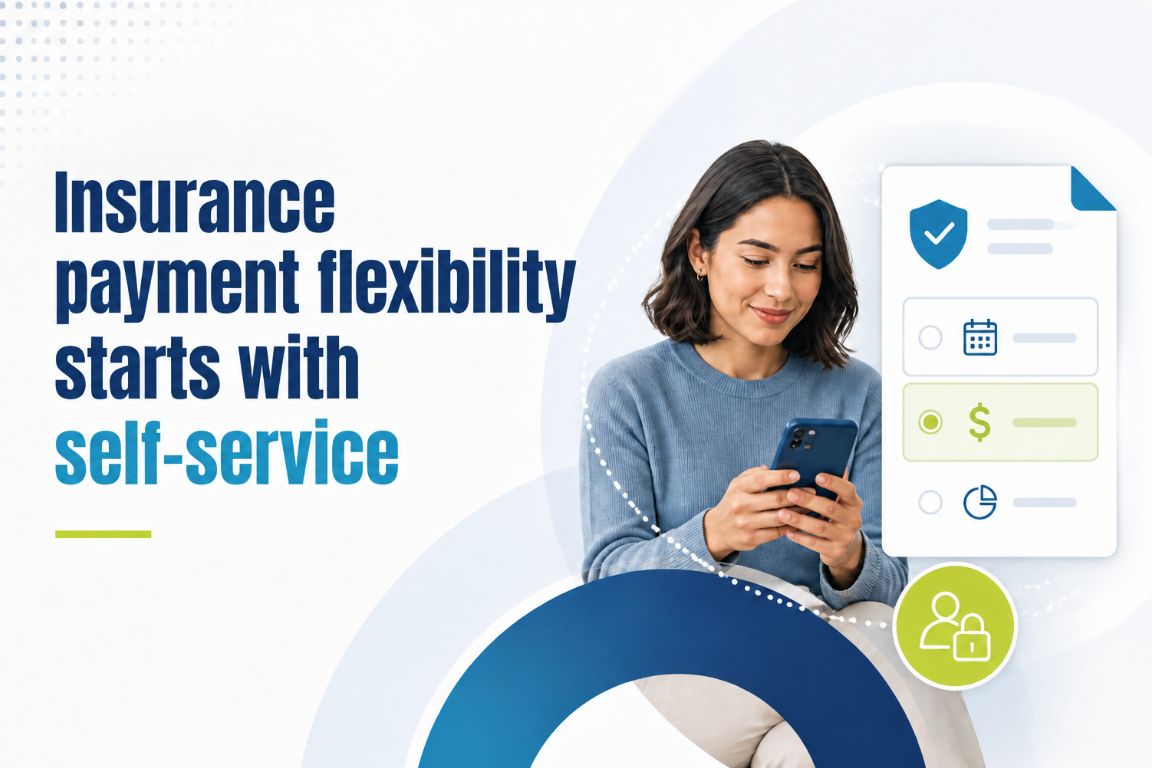
Insurance payment flexibility is only useful when policyholders can access it. Insurers can simplify the payment experience by clearly explaining eligible options, then connecting those messages to self-service tools.
That matters because payment experience can influence whom policyholders choose and whether avoidable payment friction gives them a reason to leave.
In PYMNTS' "The Service Commerce Performance Gap: Insurance Providers Playbook," 44% of surveyed policyholders said preferred payment options were a reason to choose an insurance provider. Another 34% said they wanted more flexible payment or billing options.
The research focused on U.S. property and home insurance bill payers and insurers. The findings point to an opportunity for insurers to improve how they communicate and deliver access to payment options they already support.
Research disclosure: The playbook was produced by PYMNTS Intelligence in partnership with Paymentus, a bill-payment provider. DataOceans cites research for industry context and has not independently verified the findings.
Why can't policyholders access payment flexibility?
Many insurers already offer payment accommodation. The problem is that policyholders cannot always access them without contacting customer service.
The PYMNTS research illustrates the gap between the options insurers offer and the options policyholders can use through self-service.
Insurance payment options: availability vs. self-service
| Payment accommodation | Insurers offering it | Available through self-service |
|---|---|---|
| Installment plans | 78% | 53% |
| Payment extension or grace period | 73% | 13% |
| Reschedule a payment | 57% | 48% |
| Partial payments | 55% | 20% |
| Change a due date | 43% | 32% |
Installment plans are a relatively bright spot. At 53%, insurers in the study had the highest self-service availability for installment payments among the four industries: insurance, healthcare, auto lending, and utilities. The reported average across those industries was 35%.
Payment extensions and grace periods show a much larger gap. While 73% of insurers offered them, only 13% made them available through self-service.
When policyholders cannot find or access a payment option, they may need to contact customer service for assistance. Others may delay payment rather than pursue a process they find difficult. Making eligible options easier to find and use can help insurers address one source of avoidable friction.
For insurance operations leaders, the opportunity is to close the gap between the options a company offers and the options policyholders can use.
Clearer notices and statements can help policyholders find the next step. A connected Customer Portal can provide a self-service path when the underlying billing system supports the requested action. The goal is to make existing options easier to understand and access, reduce avoidable service friction, and give policyholders fewer reasons to abandon payment or question their coverage.
Are insurers offering the payment methods policyholders want?
Payment accommodations are only part of the picture. The research also found differences between the payment-methods policies that policyholders want and those insurers offer:
-
Digital wallets: 34% of surveyed policyholders wanted them, while 20% of insurers offered them.
-
Buy now, pay later (BNPL): 14% wanted this option, while approximately 2% of insurers offered it.
-
Paper checks: 93% of insurers accepted them, while 21% of policyholders wanted the option and 3.8% used checks as their primary payment method.
The gap also varied by age. In the study, 42.2% of Gen Z policyholders said their ability to pay using their preferred method fell short of ideal, compared with 6.4% of baby boomers and seniors. Across all policyholders, the figure was 10.9%.
These findings suggest that insurers should evaluate payment preferences across their customer base rather than assume that a single payment experience works for everyone.
They should also distinguish between payment methods and payment accommodation. Adding a digital wallet does not solve the same problem as allowing an eligible policyholder to reschedule a payment. Both may matter, but they require different capabilities and decisions.
Where should insurers invest to improve payment flexibility?
Insurers recognize that flexibility matters. In the PYMNTS research, 45% considered it extremely important to customers.
Yet half were actively investing in bill delivery, compared with 11.7% investing in payment flexibility and 6.7% investing in expanding payment options.
These are distinct investment categories, but the contrast points to a practical question: Are insurers improving how bills reach policyholders while overlooking whether those customers can find and act on the options available to them?
If your organization is already reviewing billing communications, those communications are a practical place to start.
You may not need to introduce a new payment accommodation to improve the existing experience. First, make sure policyholders understand what is available, whether they qualify, and what they need to do next.
How can insurers make payment options easier to find?
Three communication touchpoints can help insurers connect payment information with the next step.
1. Make notices more actionable
Past-due reminders, cancellation warnings, and other payment-related notices are sent to policyholders at key moments.
Rather than simply stating that a payment is overdue, a notice can explain which approved options may be available, the applicable deadline, and how the policyholder can act.
For example, where permitted and supported by the insurer's processes, a notice might direct an eligible policyholder to information about a payment extension or installment arrangement.
DataOceans Letter Manager helps organizations consistently build, manage, and deliver customer communications. Insurers can use governed communication templates to make approved payment information clearer and more consistent across notices.
2. Put relevant information in billing statements
Statements are recurring opportunities to explain payment obligations and direct policyholders to the right resources.
Depending on the insurer's policies and systems, a statement might identify available payment methods, explain how to review eligible payment arrangements, or direct the customer to a supported self-service process.
DataOceans Statement Manager helps organizations build and manage customer statements. It can support efforts to make payment information and next steps more visible throughout the billing cycle, not only when an account becomes past due.
3. Connect communications to self-service
A notice or statement can explain an option, but the customer still needs a practical way to act on it.
If an insurer supports payment rescheduling, extensions, or due-date changes through its systems, the Customer Portal should make those actions easy to locate. Clear instructions and links can help policyholders move from understanding their options to completing the appropriate next step.
DataOceans Customer Portal supports digital self-service for customer account interactions. The available payment actions depend on the insurer's integrations, billing capabilities, eligibility rules, and business processes.
The objective is not simply to move more interactions online. It helps policyholders complete supported tasks without unnecessary confusion or effort.
How can insurers improve payment communications without increasing compliance risk?
Payment communications must reflect the rules that apply to the policy, the action being requested, and the state where the policy was issued.
Before changing notice language, insurers should confirm that the information is accurate for the relevant policy, eligibility criteria, deadlines, and applicable state requirements. They should also maintain appropriate approval records and records of what was sent and when.
DataOceans Compliance Hub+ supports governed communications through attorney-produced templates, legal memoranda, version management, and audit trails. Its template coverage includes all 51 U.S. jurisdictions.
Insurers should confirm that the available templates and workflows cover the specific insurance communications and requirements relevant to their organization. Legal or compliance review remains important when changing insurance-specific notices or describing payment accommodations.
The goal is to make approved options easier to understand and access without creating inconsistent messaging or promising a payment arrangement the insurer cannot provide.
What should insurers do next?
A practical assessment can help identify where communication changes may improve the payment experience.
1. Inventory existing payment options.
List the accommodation and payment methods your organization supports, including installment plans, extensions, grace periods, partial payments, rescheduling, and due-date changes. Document eligibility rules and applicable restrictions.
2. Identify the biggest self-service gaps.
For each option, determine whether policyholders can access it independently or must contact customer service. Start with options that are already available but difficult to find or use.
3. Review notices and statements.
Check whether communications explain the relevant options, deadlines, eligibility requirements, and next steps. Prioritize payment-related messages when customers are most likely to need assistance.
4. Validate the digital path.
Confirm that links and instructions lead to a working process. Where an action requires staff approval or cannot be completed online, explain how the policyholder can request assistance rather than implying the action is automatically available.
5. Confirm compliance and measure results.
Have the appropriate teams approve the revised language. Establish a baseline and monitor relevant measures, such as portal usage, payment completion, payment-related service calls, and late-payment trends. Compare results over time to understand whether the changes are helping.
These steps help insurers distinguish between a communications problem, a self-service access problem, and a payment capability that requires a broader operational or technology change.
Frequently asked questions
How can insurers make payment options easier for policyholders to access?
Insurers can explain eligible payment options in billing statements and notices, provide clear instructions for acting, and make supported account and payment functions accessible through a Customer Portal. The available actions must align with the insurer's billing systems and policy rules.
Which insurance payment options are often missing from self-service?
PYMNTS Intelligence research found a gap between payment accommodation offered and those available through self-service. While 73% of surveyed insurers offered payment extensions or grace periods, only 13% made them available through self-service. For partial payments, the figures were 55% and 20%, respectively.
How can better billing communications help insurance operations?
Clearer billing communications can help policyholders understand their payment obligations, find eligible options, and identify the next step. They can also help address avoidable service inquiries, although the actual operational impact depends on the quality of the communications and the processes behind them.
How can insurers improve payment communications without increasing compliance risk?
Insurers should validate notice language against applicable state requirements, policy terms, eligibility rules, and approval processes. Governed templates, version control, and audit trails can support consistent communications, but they do not replace legal review of insurance-specific requirements.
Make payment options easier to find
Policyholders value payment flexibility, but offering an option and making it accessible are two different things.
Insurers can start by identifying where existing payment options are difficult to find, improving the notices and statements that explain them, and connecting those communications to supported self-service processes.
DataOceans helps organizations manage customer communications, statements, and digital self-service while supporting governed communication workflows.
Want to see how Letter Manager, Statement Manager, and Customer Portal can help make payment options easier for policyholders to use? Talk to DataOceans.
Source: PYMNTS Intelligence, The Service Commerce Performance Gap: Insurance Providers Playbook, produced in partnership with Paymentus. See the original report for methodology, definitions, and survey details.